Understanding ANTOHOKI and Its Cultural Significance
ANTOHOKI is a unique cultural phenomenon that celebrates the rich traditions and heritage of various communities. Its significance goes beyond mere festivities, as it serves as a conduit for cultural expression, community bonding, and economic opportunities. Exploring the depths of ANTOHOKI reveals not just its vibrant events but also its role in preserving history and fostering unity. When exploring options, ANTOHOKI provides comprehensive insights into the cultural landscape, making it a compelling subject for both locals and visitors alike.
What is ANTOHOKI?
ANTOHOKI can be defined as a series of events and activities that celebrate local customs, traditions, and artistic expressions. Rooted in the values and practices of the communities it encompasses, ANTOHOKI showcases a mosaic of performances, crafts, and culinary delights. Each event is characterized by its unique features, which reflect the stories and histories of the people involved. A vital aspect of ANTOHOKI is its focus on inclusivity, allowing for diverse expressions of culture and art.
The History Behind ANTOHOKI Events
The origins of ANTOHOKI can be traced back to ancient celebrations and rituals that sought to honor deities, ancestor spirits, or significant seasonal changes. Over time, these ceremonies evolved into more structured events, often incorporating elements of music, dance, and art. The concept of ANTOHOKI as we know it today has developed through generations, becoming a critical part of local identity and a means to attract both locals and tourists. Insights into the historical transformations of ANTOHOKI events reveal how communities adapt and reinterpret their traditions for contemporary audiences.
Key Cultural Elements Represented in ANTOHOKI
ANTOHOKI is not just a festive celebration; it is a rich tapestry of cultural elements that symbolize the values and beliefs of the community. Key components include:
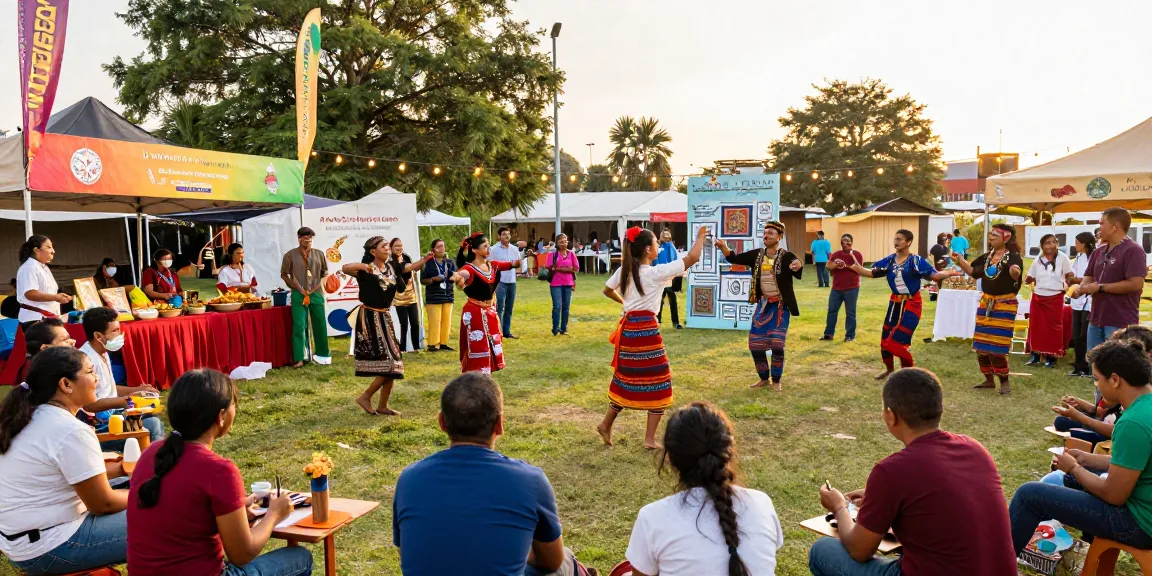
- Music and Dance: Traditional music often sets the tone for ANTOHOKI events, with performances highlighting unique rhythms and styles.
- Art and Craftsmanship: Local artisans showcase their work, from handmade crafts to visual art, preserving traditional techniques while encouraging contemporary innovation.
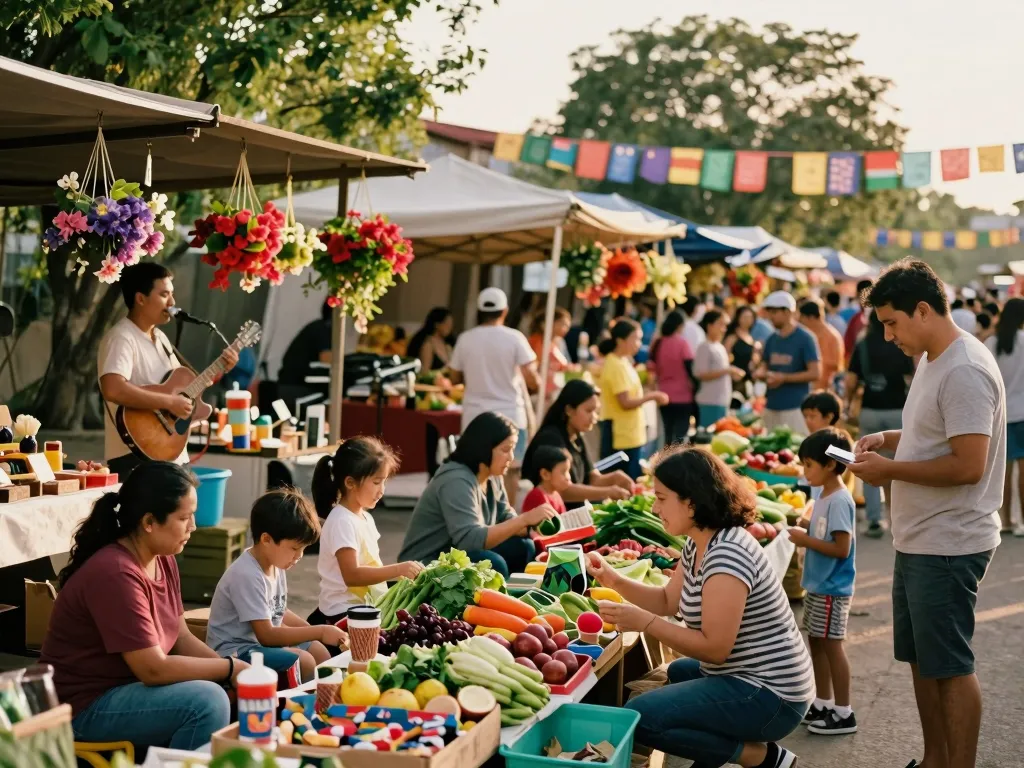
- Culinary Traditions: Food is a pivotal aspect of ANTOHOKI, with local dishes served to reflect the region's heritage and flavor.
- Storytelling: Each event often features storytelling sessions that share myths and histories, allowing younger generations to connect with their roots.
Who Benefits from ANTOHOKI Events?
The benefits of ANTOHOKI extend to various groups, amplifying its significance within the community and beyond. Understanding who benefits helps to underscore the event's value in fostering collaboration and support.
Local Community Engagement and Support
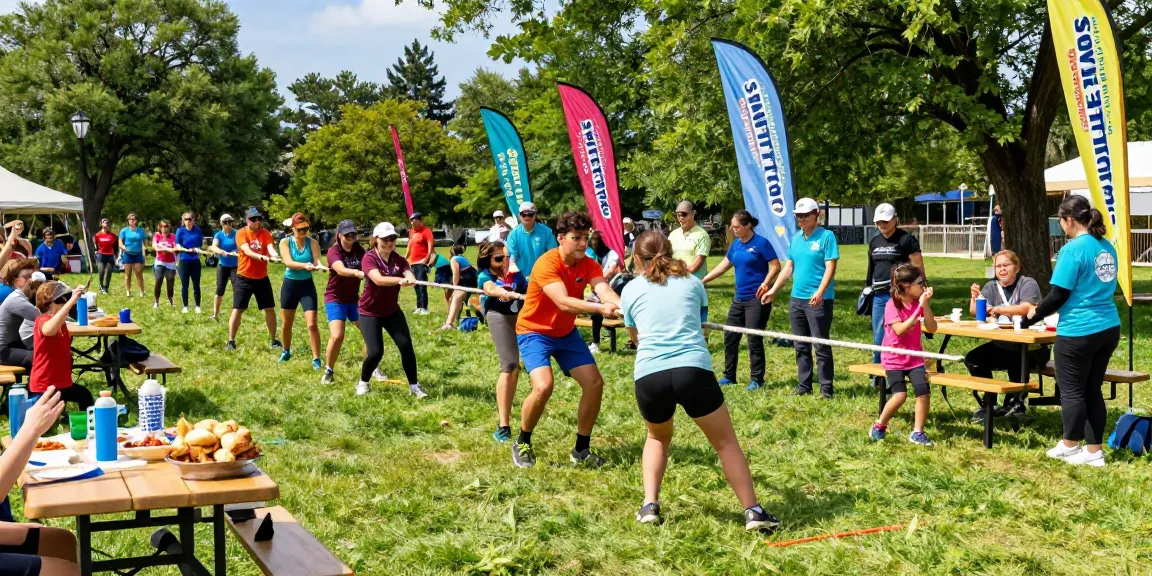
For local communities, ANTOHOKI events serve as a platform for engagement and collaboration. They not only bring people together but also promote local pride and identity. Community members often play active roles in organizing and participating in the events, strengthening social ties and fostering a sense of belonging. Additionally, these celebrations stimulate local economies, providing opportunities for small businesses and entrepreneurs to showcase their products and services.
Tourists and Visitors: What to Expect
Tourists and visitors attending ANTOHOKI events can expect an immersive cultural experience. They will encounter a variety of activities, including traditional performances, food tastings, and interactive workshops. These experiences are designed not only to entertain but also to educate attendees about the local culture and history, making ANTOHOKI an attractive destination for cultural tourism. For many visitors, the opportunity to witness and participate in such vibrant festivities brings a deeper appreciation for the community and its heritage.
Potential Sponsors and Partners in ANTOHOKI Events
For businesses and organizations, ANTOHOKI events present excellent sponsorship and partnership opportunities. By aligning with these cultural celebrations, sponsors can enhance their brand visibility and connect with a captive audience. Collaborating with local organizers allows companies to contribute to the community while gaining access to valuable marketing channels. It’s a mutually beneficial relationship that fosters economic growth and cultural exchange.
Planning an ANTOHOKI Festival: Best Practices
Organizing an ANTOHOKI festival requires careful planning and execution to ensure its success. Here are some best practices to consider when embarking on this journey.
Steps to Organize a Successful ANTOHOKI Event
To effectively plan an ANTOHOKI event, follow these essential steps:
- Define Objectives: Clearly outline the goals of the event whether it’s to celebrate culture, promote local business, or foster community engagement.
- Create a Budget: Develop a detailed budget that accounts for all expenses including venue, permits, marketing, and entertainment.
- Assemble a Team: Gather a team of volunteers and stakeholders who are passionate about the event's mission and can contribute various skills.
- Select a Date: Choose a date that avoids conflicts with other events and aligns with community calendars.
- Design Programming: Curate a program that highlights the best cultural elements of ANTOHOKI, ensuring diverse representation.
Finding the Right Venue and Partners
The venue selection is critical to the success of an ANTOHOKI event. Look for locations that embody the spirit of the celebration. Collaborating with local businesses and community organizations can also enhance the event experience. Form partnerships that offer resources, funding, or promotional support to maximize outreach and impact.
Marketing Strategies to Promote Your ANTOHOKI Event
Effective marketing strategies are essential for driving attendance and engagement at ANTOHOKI events. Utilize a mix of traditional and digital marketing approaches:
- Social Media Campaigns: Leverage platforms like Facebook, Instagram, and Twitter to reach a wider audience.
- Local Media Coverage: Engage with local newspapers and radio stations to publicize the event and share its significance.
- Community Flyers: Distribute flyers in community centers, schools, and local businesses to generate interest.
Measuring the Success of ANTOHOKI Events
To ensure continuous improvement of ANTOHOKI events, measuring their success is vital. This involves tracking various performance indicators and gathering participant feedback.
Key Performance Indicators for Cultural Events
Establishing clear key performance indicators (KPIs) is essential for assessing the effectiveness of ANTOHOKI events. Common KPIs include:
- Attendance numbers
- Participant demographics
- Revenue generated from ticket sales and sponsorships
- Community engagement levels
Gathering Feedback from Participants
Implement mechanisms for collecting feedback from attendees, such as surveys and comment cards. This feedback can provide valuable insights into the attendee experience, highlighting areas for improvement and aspects that were well-received.
Using Data to Enhance Future ANTOHOKI Festivals
Data collected from the event can inform future ANTOHOKI festivals. Analyze attendance trends, participant demographics, and feedback to identify what worked well and what could be improved. Use these insights to shape future programming, marketing strategies, and organizational efforts.
Future Trends for ANTOHOKI and Cultural Celebrations
The cultural landscape is continuously evolving, and ANTOHOKI is no exception. Understanding emerging trends will help organizers adapt and innovate.
Emerging Cultural Trends in 2026
As we approach 2026, cultural celebrations like ANTOHOKI will likely embrace greater diversity and inclusivity. Expect to see a wider representation of cultural narratives that reflect the richness of the community. There is also a growing demand for sustainable event practices that reduce environmental impact while enhancing cultural authenticity.
Technological Innovations Shaping Events
Technology will play a crucial role in the evolution of ANTOHOKI. Virtual and augmented reality experiences may be incorporated, providing attendees with immersive interactions that enhance cultural storytelling. Additionally, social media will continue to be a powerful tool for promoting events and engaging with audiences.
Predictions for the Evolution of ANTOHOKI
Looking forward, we can anticipate ANTOHOKI festivals becoming even more community-driven, with increased participation from local residents. This evolution will foster a stronger sense of ownership and pride among community members, ensuring that the traditions celebrated are perpetuated for future generations.
What are the main activities at ANTOHOKI events?
Main activities at ANTOHOKI events often include traditional music and dance performances, art displays, local food tasting, and workshops for visitors to engage with the culture firsthand. These activities not only entertain but also educate attendees about the cultural heritage being celebrated.
How can I get involved in ANTOHOKI?
Getting involved in ANTOHOKI can be as simple as attending events, volunteering for organization, or even contributing as an artist or vendor. Many communities welcome participation from individuals who wish to showcase their skills or offer insights into their cultural practices.
What should I bring to an ANTOHOKI festival?
When attending an ANTOHOKI festival, it's beneficial to bring comfortable clothing suitable for outdoor activities, a reusable water bottle, and a camera to capture the vibrant experiences. Engaging with vendors may also require cash, so be prepared for diverse payment options.
Are ANTOHOKI events suitable for families?
Absolutely! ANTOHOKI events are designed to be family-friendly, offering activities that entertain all ages. From children’s workshops to interactive exhibits, families can enjoy a day of fun while learning about cultural heritage.
What types of food can I expect at an ANTOHOKI event?
Expect a diverse array of culinary options, reflecting the region's culinary heritage. From traditional dishes to modern interpretations, food not only satisfies hunger but serves as a delicious introduction to the culture being celebrated.